The Million Dollar Question and A Goodbye

If mystery/crime is still one of the top selling genres for books, why are so many mystery magazines and publishers having such a hard time surviving compared to speculative fiction markets? The demise of Down & Out Books this month, coming on the heels of other closures, sales, and consolidations, has me thinking about the continued shrinkage of the mystery market and about what really drives sales for a particular genre. (With Down & Out’s closure, two of my stories that were awaiting publication need new publishers.)

Every couple of months, someone in the short mystery community asks how to sell more crime fiction short stories to the reading public. Someone else always answers that short stories don’t sell well because they are considered literary fiction, a category which sells far less than any other form of fiction. Others say that it’s simply a well-known fact that people don’t read short stories because they prefer novels and series.

Why assume short fiction is considered “literary” when short science fiction and short fantasy don’t seem to have problems selling? Why assume few people read short fiction when the existence of so many successful short speculative fiction markets seems to belie that supposition?

Go to any writers’ submission information site, Submission Grinder, Chill Subs, etc., and you will find far more markets for short speculative fiction (science fiction / fantasy / some horror) than you will for short mystery / thriller / suspense. The markets for short speculative fiction pay their authors far better than the crime genres, too. Why do they pay more? Because they have the sales numbers to support the pay.

In the short mystery fiction community, authors are frequently exhorted to buy more anthologies and subscribe to more magazines to support our community so that it doesn’t vanish. But if authors are the only audience, something is seriously wrong. Are dancers or actors told to buy tickets to their own theatrical performances so the show doesn’t close? Are artists urged to purchase artwork to prevent galleries from failing? Are musicians told to buy as many songs and albums as possible to help keep the music industry afloat? No. In all those creative-arts-based industries, business leaders recognize that it takes more than just the creators to support the industry. It would be ludicrous to believe that the creators alone could support an industry. Ergo, no amount of chiding of short mystery authors is going to improve sales numbers. It takes fans to support a genre.

So why aren’t crime and mystery fans buying short fiction while sci-fi and fantasy readers are? Are we marketing in the wrong places? Are we failing to draw in younger readers who then grow up to be buyers and subscribers? Maybe. But I think the situation is more complex than that. The mystery genre had a heyday, a golden age when it was all the rage in the early to mid-1900s. Once upon a time, Ellery Queen was a television series. So was Alfred Hitchcock Presents.

Today, we have Michael Connelly’s many works on streaming services. Craig Johnson’s Longmire and Tony (and Anne) Hillerman’s Leaphorn and Chee did well on screen, too. Only Murders in the Building has made a splash. The Enola Holmes movies are popular. People love the Brit Box mystery offerings. But the mystery genre offerings for the last three or four decades have been a drop in the bucket compared to the speculative fiction options available in the larger world of entertainment.

Today’s science fiction and fantasy stories are features of computer games and blockbuster movies. A glance at market offerings confirms that some mystery computer games exist, but very few are pure mystery. Most computer games with mystery plots are set on other planets, in other galaxies, in the future, or have other speculative elements.

Is there a connection between the current abundance of speculative fiction entertainment in games and movies and the thriving speculative short fiction market? Probably. Speculative fiction has been central to the cultural zeitgeist for several decades now, the same decades in which the mystery genre markets have been slowly vanishing.

What short mystery fiction really needs is a new golden age of mystery with a strong resurgence in the crime genre on screens. Until then, short mystery fiction writers will have to find other ways to reach readers. Which means we have to try the smaller-scale techniques and the more personal methods to increase our fanbase.

Some authors are trying book trailers on TikTok, YouTube videos, and social media posts in the hope of going “viral.” This month, I tried an even more direct approach to spread the word about short mystery fiction to youth. I spoke to a class at the local high school about how to revise short stories. I brought with me a half a dozen crime fiction anthologies and a handful of magazines and displayed them for the students. I told them to read, read, read. I recommended that they seek the “best of” anthologies for their genres. I recommended that they subscribe to magazines and ezine.

Will any of those kids read a crime fiction anthology or buy a crime fiction magazine subscription? I have no idea. However, I do know that we need to stop blaming authors for not buying enough magazine subscriptions to keep a magazine afloat or enough books to keep a small publisher from going bankrupt.

And now, a farewell. The Ink-Stained Wretches blog is closing, too. I will be moving over to post on the Austin Mystery Writers blog. All of the other members of this blog, except me, are already there. Look for my next post over at Austin Mystery Writers.

Thanks for reading.

Noreen
Fall Comes to Paris


By Helen Currie Foster

Travel thoughts.

It’s fall in Paris. The rows of chestnuts flanking the Seine are turning golden-brown; gingko trees sport their distinctive yellow leaves, preparing to fling down, on one afternoon they keep secret, all their leaves at once.

Fall fashion? Long hair for women, slim tan trench coats at mid-calf, midi-length swishy skirts. Anyone can wear jeans and sneakers (male, female, old, young) with a blazer-cut jacket. In the markets, apples from the Garonne (Pixie Pommes!), quantities of mushrooms, cashmere scarves. Kids scurry to school at eight while their older siblings stride down Rue de l’Universite toward Science Po.

I’m forever grateful to Madame, our wondrous French teacher at McCallum High in Austin. On the first trip to Paris over fifty years ago, fresh off the early train, my husband and I stopped at a café where I opened my mouth in fear and trembling to order in French—deux cafes et deux croissants.

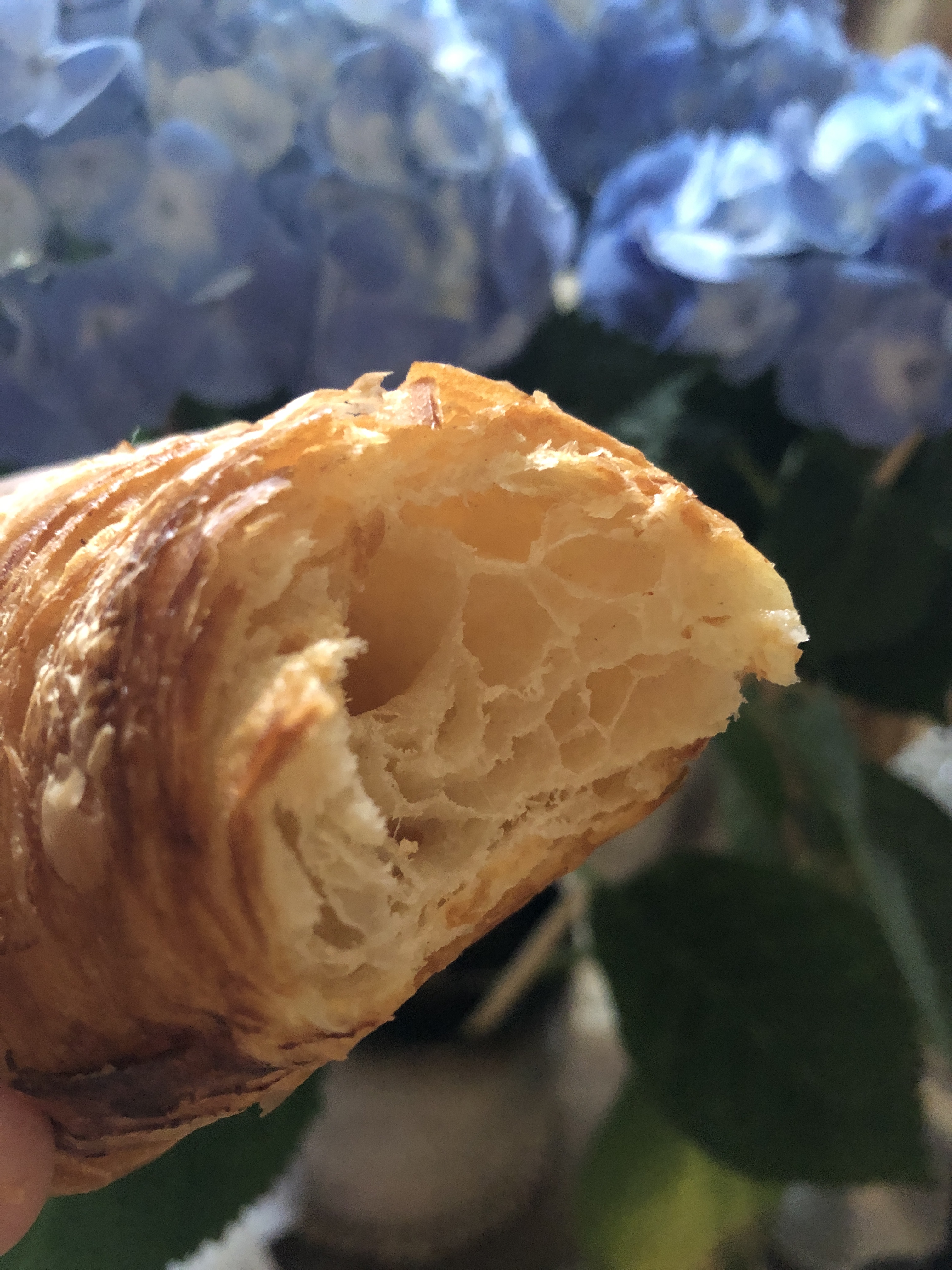
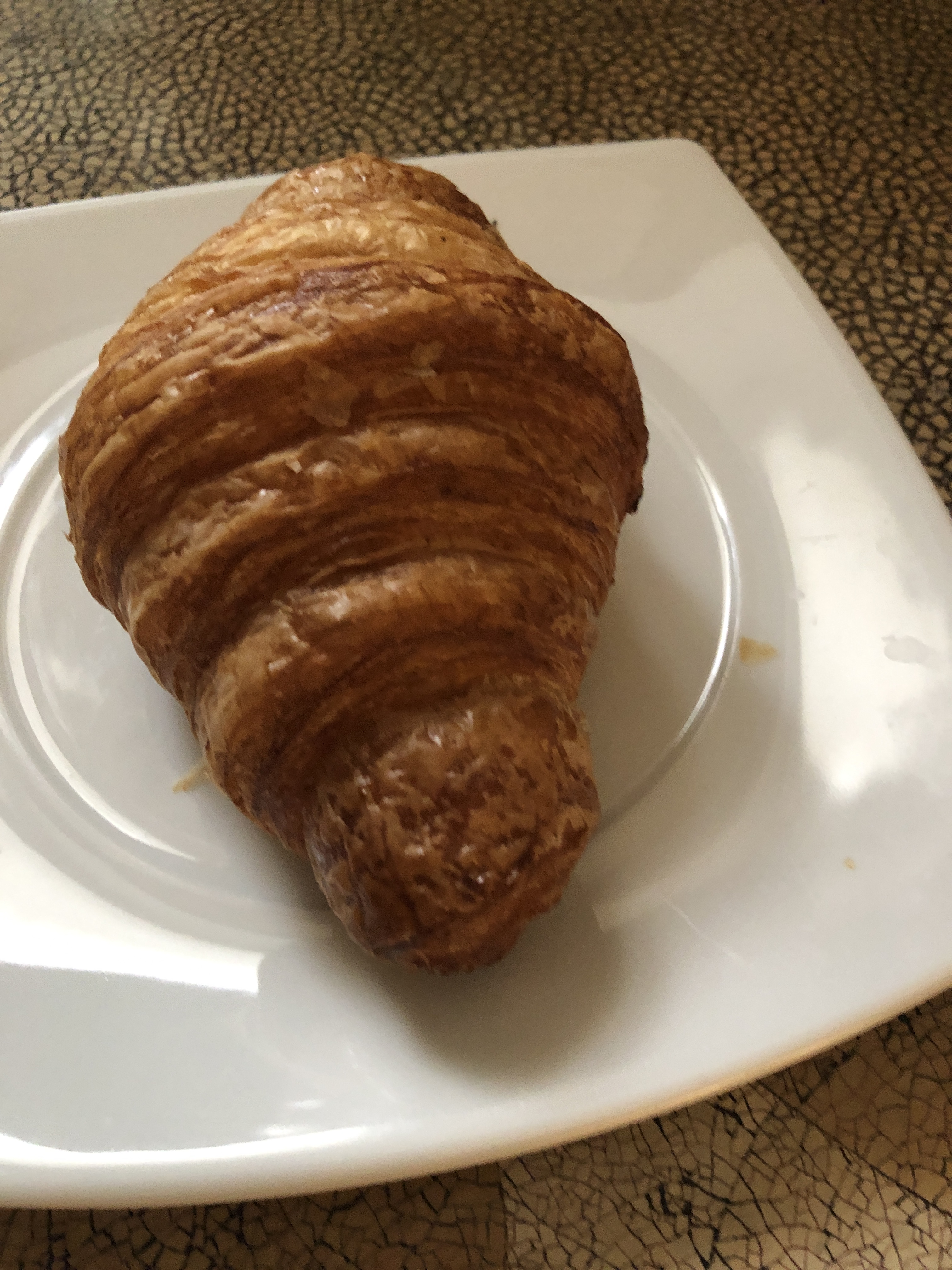
To my shock the proprietor didn’t blink. And the result was magic—our first taste of croissant.

Long past high school I still say “Merci, Madame!” A Parisienne, she had (I believe) a PhD. She maintained perfect class discipline—even with smarty seniors. When anyone asks, how did you learn French? I say, “Madame! She made us sing songs!” https://www.youtube.com/watch?v=96JRl7bER3g&list=RD96JRl7bER3g&start_radio=1

As to “à la Claire Fontaine” I suspect she omitted the first two verses—at least I don’t remember singing about bathing beneath a tree! But this song and the rest we still remember, decades later.

Sur le Pont d’AvignonFrère JacquesAlouette, gentille alouetteje te plumerai (le nez, le cou, et la tete, et le dos, etc.). At Christmas, Il est né, le divin enfant. Twisting your tongue around the pretty French words leaves you with life skills.

(She didn’t teach us La Marseillaise. But I still get chills when, in Casablanca, Victor Laszlo leads the crowd at Rick’s in singing it.)

And another beloved teacher taught both Latin and English. She could order grown seniors to race to the blackboard to diagram sentences, and insisted we use proper punctuation.

What was it about those favorite teachers? They made us learn. They brooked no foolishness. They could tell when we faked preparation. They thrust us into difficult novels, demanding paintings, complex unfamiliar music. Hitherto hidden histories. Concepts we hadn’t invented or come upon by ourselves.

Maybe we did learn. Maybe—that learning is worthwhile.

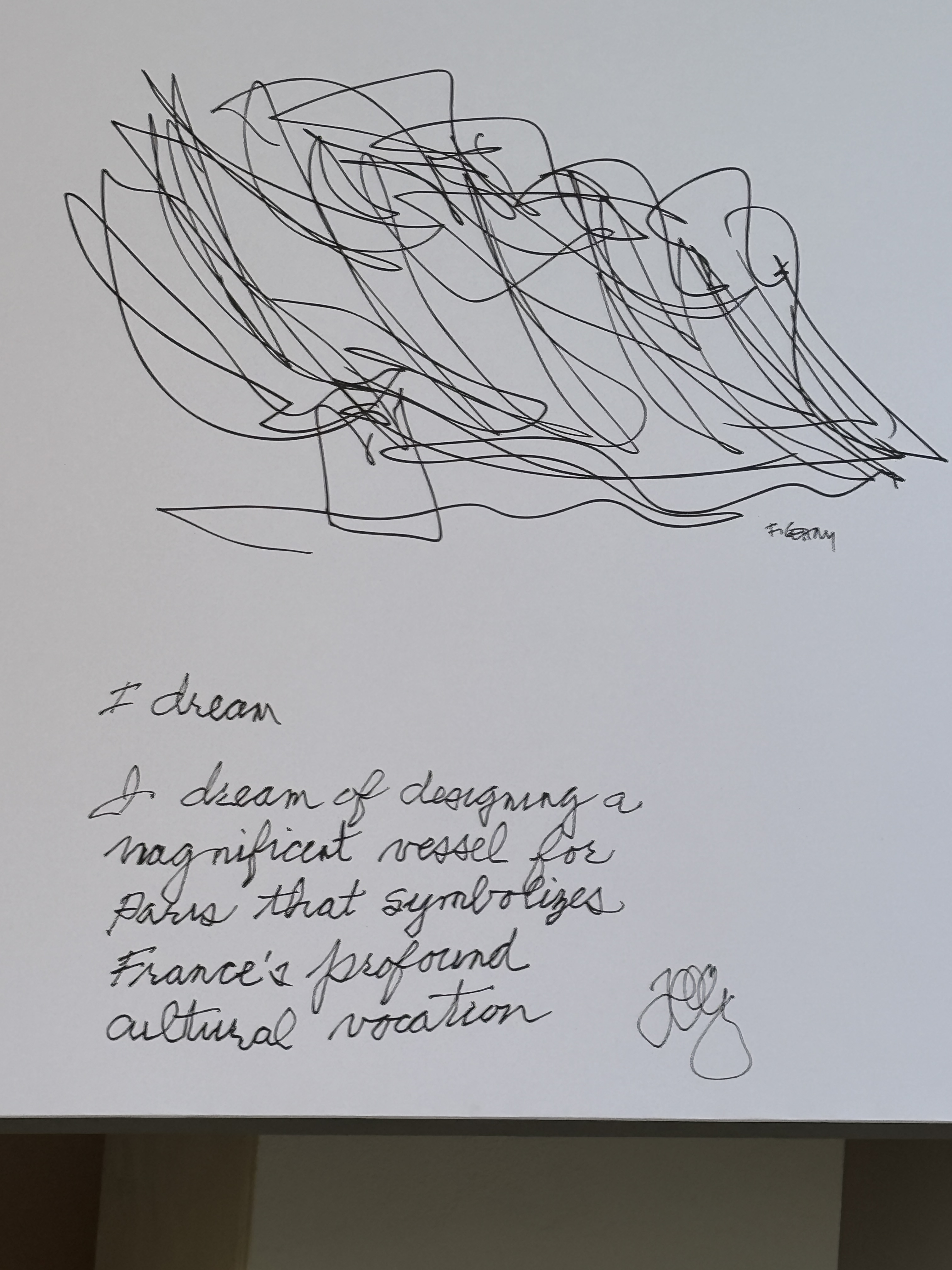
Yesterday we visited La Fondation Louis Vuitton to visit what architect Frank Gehry dreamed of as an iceberg with sails.

Curves, lines, water, wood… magical in their power.

The building invites you to wander and wonder. What imagination, what creativity, what a vision! I listened to the rippling water traveling down the slope—the sound took over. Couldn’t hear traffic, or talking. Just the water–in the middle of a vast city. Being there takes you back to Roman stonework (rectangles, arches, roads in straight lines), and then to the power of curved sails, moved by wind and water. People working there seemed quietly confident that visitors should and would be (but not literally) blown away.

READING: I’m very much enjoying Susan Wittig Albert’s Thyme, Place & Story website where she is now serializing the first China Bayles book–A Bitter Taste of Garlic. Many of us are fans of this series, and would be delighted to visit China’s herb shop in a town not far from Austin…!

I just finished Mick Herron’s Down Cemetery Road. I found it much scarier than the Slow Horses novels…but still wanted to know the ending. It was published over 20 years ago and apparently will be streaming in October.

On the flight over I was reading Graham Robb’s France, including some tales of Paris that were scarier than Down Cemetery Road. Like being the butt of your buddies’ jokes and winding up as a prisoner in Fenestrelle, a political prison during the Napoleonic era. https://fr.wikipedia.org/wiki/Forteresse_de_Fenestrelle

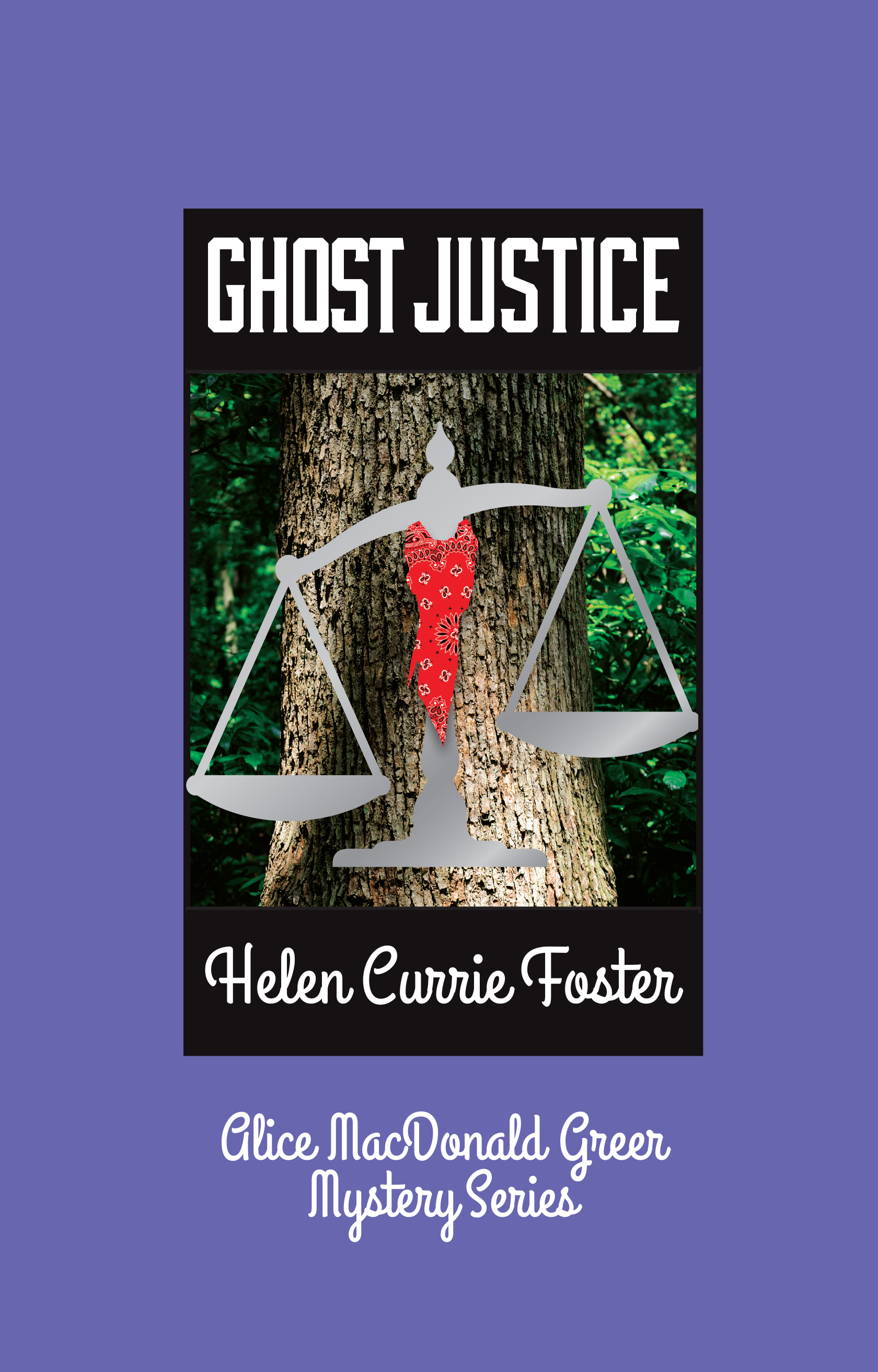
Meanwhile, at home, Ghost Justice is now out! Book 10 in my Alice MacDonald Greer Mystery Series set in the Hill Country. Available at BookPeople on Lamar Blvd. in Austin https://bookpeople.com/ and on Amazon. https://amzn.to/4pk8WQO

Hope you’ll enjoy it!

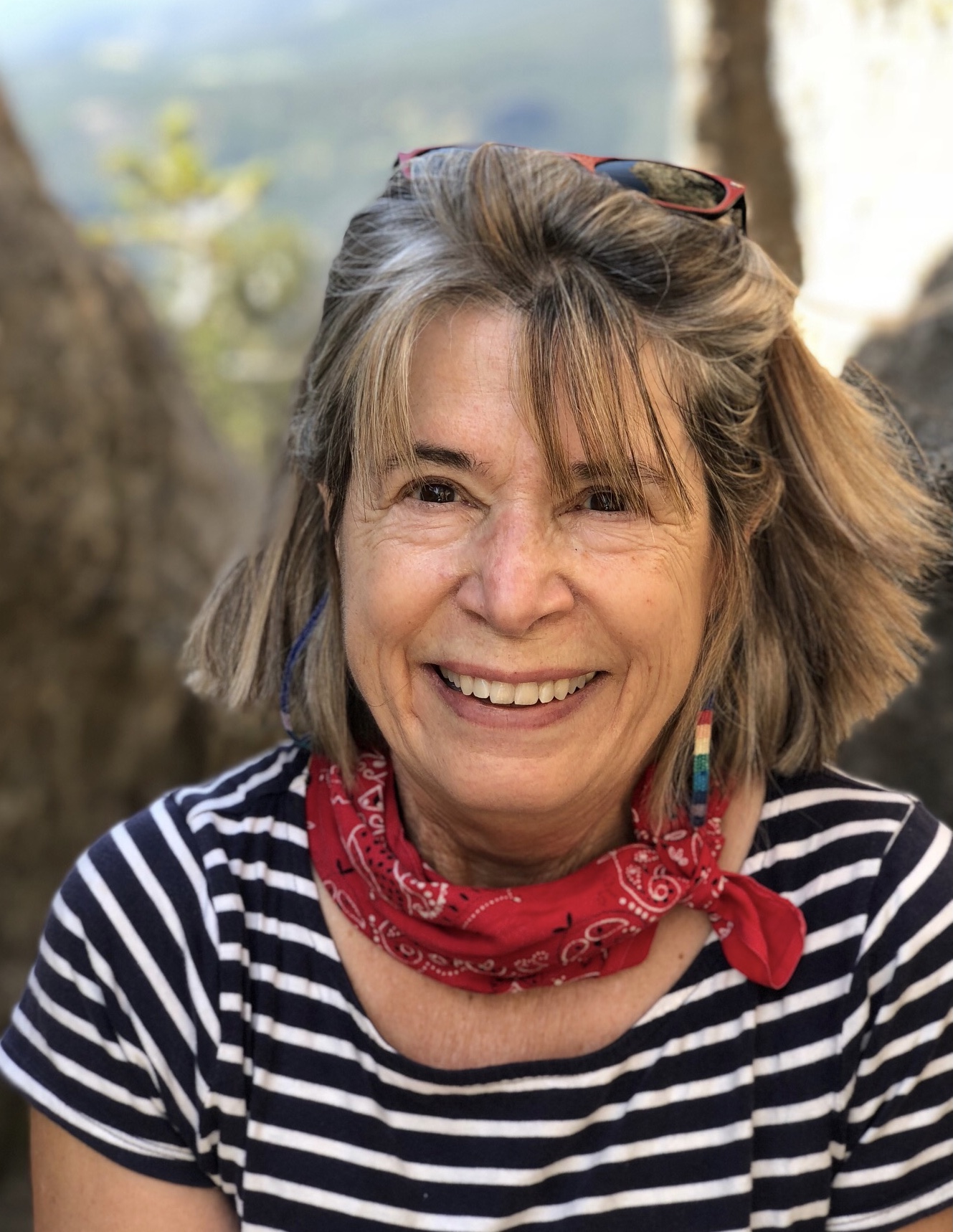
Helen Currie Foster lives and writes the Alice MacDonald Greer Mystery Series north of Dripping Springs, loosely supervised by three burros. She’s drawn to the compelling landscape and quirky characters of the Texas Hill Country. She’s also deeply curious about our human history and prehistory and how, uninvited, the past keeps crashing the party. Follow her at http://www.helencurriefoster.com.

Naming Characters: Steve Dauchy MacCaskill

I’m working on a mystery novel—I’ve been working on it for years, but am now seeing the light at the end of the tunneland am faced with dilemmas too numerous to whine about in only one post, so I’ll move along.

I will instead write about the one pleasure of the writing life: creating and naming characters.

My novel is set in a little town very like my own hometown. I don’t base my plot on real events, and I don’t use real people as characters—with one exception: Steve Dauchy.

Not Steve, but close

Note: One of my readers, Dr. Cullen Dauchy, knows more about Steve than I do, especially about his early life, and I hope he’ll feel free to correct any errors.

Steve Dauchy was a career blood donor at Katy Veterinary Clinic in Katy, Texas. On retirement he moved to Fentress, where he lived with his veterinarian-owner’s parents, Joe and Norma Dauchy. Joe and Norma lived next door to me; in local terms, next door meant that my house was on one corner, then there was a half-acre “patch” of pecan and peach trees and grass and weeds, then a street, and then on the next corner, the Dauchy yard and their house. The point being that when Steve visited me, he didn’t just stroll across a driveway.

Joe was my dad’s first cousin, so I guess that makes Steve and me second cousins. I have a lot of cousins on that side of the family, although most are human.

Steve is a family name, with a story behind it. As I understand it, back in the ’20s or ’30s, my Great-uncle Cull (Joseph Cullen Dauchy, Sr.), enjoyed listening to a radio program about a Greek character who frequently spoke of “my cat Steve and her little cattens.” Uncle Cull was so amused by the phrase that he named a cat—probably one of the barn cats—Steve. And for the next forty or so years, he always had a cat named Steve.

Uncle Cull and Aunt Myrtle Dauchy’s house, home of the first Steves

So when the clinic cat became part of the Uncle Cull’s son and daughter-in-law’s family, he became the latest in a long line of Steves.

How to describe Steve? He was a fine figure of a cat: a big tabby, deep orange, with an expression of perpetual boredom. His reaction to nearly everything translated as, “Meh.” I’ve heard that’s common among clinic cats.

Once when Steve was standing on my front porch, the neighbor’s Great Dane got loose and charged over. I was frantic, shouting at the dog, shouting at Steve. But when the dog hit the porch, Steve just looked up at him. Dog turned around and trotted home.

Some would say Steve was brave, and I’m sure he was. But I believe his grace under pressure had their roots elsewhere.

First, he had experience. He knew dogs. In his former employment, he’d observed the breed: big, little, yappy, whining, growling, howling, cringing, confined to carriers, restrained by leashes, sporting harnesses and rhinestone collars, hair wild and matted, sculpted ‘dos and toenails glistening pink from the OPI Neon Collection. He’d seen them all. He was not impressed.

Facing down a Great Dane, however, took more than experience. There was something in Steve’s character, an inborn trait that marked him for greatness: his overarching sense of entitlement. He was never in the wrong place at the wrong time. My porch was his porch. The world was his sardine.

Except for the kitchen counter. Steve thought kitchen counters were for sleeping, but Joe and Norma’s maid didn’t. Consequently, he stayed outside a lot. He took ostracism in stride and used his freedom to range far and wide. Far and wide meant my yard.

Steve’s house

At that time I had three indoor cats—Christabel, Chloe, and Alice B. Toeclaws—and a raft of outdoor cats. The outdoor cats started as strays, but I made the mistake of naming them, which meant I had to feed them, which meant they were mine. Chief among them was Bunny, a black cat who had arrived as a teenager with his gray-tabby mother, Edith.

One day Bunny, Edith, and I were out picking up pecans when Steve wandered over to pay his respects, or, more likely, to allow us to pay our respects to him. Bunny perked up, put on his dangerous expression, and walked out to meet the interloper. It was like watching the opening face-off in Gunsmoke.

But instead of scrapping, they stopped and sat down, face to face, only inches apart. Each raised his right paw above his head and held it there a moment. Next, simultaneously, they bopped each other on the top of the head about ten times. Then they toppled over onto their sides, got up, and walked away.

That happened every time they met. Maybe it was just a cat thing, a neighborly greeting, something like a Masonic handshake. But I’ve wondered if it might have had religious significance. Bunny was a Presbyterian, and Steve was a Methodist, and both had strong Baptist roots, and although none of those denominations is big on ritual, who knows what a feline sect might entail?

Steve had a Macavity-like talent for making himself invisible. Occasionally when I opened my front door, he slipped past and hid in a chair at the dining room table, veiled by the tablecloth. When he was ready to leave, he would hunt me down—Surprise!—and lead me to the door. Once, during an extended stay, he used the litter box. Christabel, Chloe, and Alice B. Toeclaws were not amused.

Distance Steve traveled between his house and mine. His house is way over there behind the trees.

Invisibility could work against him, though. Backing out of the driveway one morning, I saw in the rearview mirror a flash streaking across the yard. I got out and looked around but found nothing and so decided I’d imagined it. When I got home from work, I made a thorough search and located Steve under my house, just out of reach. I called, coaxed, cajoled. He stared. It was clear: he’d been behind the car when I backed out, I’d hit him, and he was either too hurt to move or too disgusted to give me the time of day.

It took a long time and a can of sardines to get him out. I delivered him to the veterinarian in Lockhart; she advised leaving him for observation. A couple of days later, I picked him up. Everything was in working order, she said, cracked pelvis, nothing to do but let him get over it.

“Ordinarily,” said the vet, “I would have examined him and sent him home with you the first day. I could tell he was okay. But you told me his owner’s son is a vet, and I was afraid I’d get it wrong.”

Although he was an indoor-outdoor cat, Steve managed plenty of indoor time at his own house, too, especially in winter, and when the maid wasn’t there. One cold day, the family smelled something burning. They found Steve snoozing atop the propane space heater in the kitchen. His tail hung down the side, in front of the vent. The burning smell was the hair on his tail singeing. They moved him to a safer location. I presume he woke up during relocation.

At night, he had his own bedroom, a little garden shed in the back yard. He slept on the seat of the lawnmower, snuggled down on a cushion. Except when he didn’t.

One extremely cold night, I was piled up in bed under an extra blanket and three cats. About two a.m., I woke up to turn over—sleeping under three cats requires you to wake up to turn over—and in the process, reached down and touched one of the cats. It was not my cat.

I cannot describe the wave of fear that swept over me. It sounds ridiculous now, but finding myself in the dark with an unidentified beast, and unable to jump and run without first extricating myself from bedding and forty pounds of cat—I lay there paralyzed.

Unnecessarily, of course. The extra cat was Steve. He’s sneaked in and, considering the weather forecast, decided that sleeping with a human and three other cats in a bed would be superior to hunkering down on a lawnmower.

Steve’s full name was, of course, Steve Dauchy. In my book, he will be Steve MacCaskill. MacCaskill was the name of a family who lived next door to my Aunt Bettie and Uncle Maurice. Their children were friends of my father and his brothers and their many cousins. They were a happy family.

“My family had to plan everything,” my dad’s cousin Lucyle Dauchy Meadows (Steve’s aunt) told me, “but the MacCaskills were spontaneous. If they decided they wanted to go to a movie, they just got into the car and went to a movie.” When Lucyle and the other girls helped their friend Mary Burns MacCaskill tidy her room before the Home Demonstration Agent came to examine it, one of the first things they did was to remove the alligator from the bathtub.

I heard so many delightful stories about the MacCaskill family that I decided they were too good to be true. Then, at Aunt Bettie’s 100th birthday party, my mother introduced me to Mary Burns MacCaskill, who had traveled from Ohio for the party.

So as an homage to that family, I’ve named my main character Molly MacCaskill. And when choosing a pet for Molly, I couldn’t choose a finer beast than Steve.

*

Note: Cullen Dauchy no longer owns Katy Veterinary Clinic, but he did when Steve worked there, and the clinic was Steve’s first home, so I’m leaving the link.

And I’m so glad the Home Demonstration agent didn’t inspect bedrooms when I was a girl. I didn’t have an alligator, but she might have thought I had something worse.

***

This post first appeared in Ink-Stained Wretches in 2021.

***

Kathy Waller blogs at Telling the Truth, Mainly. She has published short stories, and a novella co-written with Manning Wolfe. She is perpetually working on a novel.

Bouchercon and Imposter Syndrome

Bouchercon is what the mystery community calls the World Mystery Convention. When I registered to attend my first Bouchercon in 2019, I didn’t place myself on the list of authors willing to be on a panel to discuss writing in front of attendees. I felt like I was a rank beginner who needed to attend the conference to learn, not to teach anybody anything. In spite of receiving encouragement to sign up for a panel from a regular conference attendee, I didn’t feel qualified.

At that time, I’d had one short story traditionally published and had self-published four novels and a bunch of short stories. That one traditionally published story, entitled “A Reasonable Expectation of Privacy,” had appeared in Analog: Science Fiction and Fact in 2012 and came in third in the 2013 Analog Readers Poll. In 2019, I was also the chapter president for Sisters in Crime: Heart of Texas Chapter after previously serving two years as vice-president. While I volunteered at the 2019 Bouchercon to sit and greet people at the Sisters in Crime table and organized meetups for my chapter members, I felt discussion panels were for distinguished writers with long lists of publications, not me. Who was I to sit on a panel?

I arrived at Bouchercon in Dallas and eagerly set out to attend discussion panels, and quickly realized that I’d under-rated myself. In several of the panels I attended, men were up on the dais, discussing their one and only short story publication. Those men felt confident enough with a single publication to place themselves on the list for a panel assignment. And that one story had indeed qualified them to discuss their writing.

“Imposter Phenomenon” was first described in high-achieving women by two female psychologists in 1978. They discovered that despite receiving recognition, accolades, or achieving success in their fields, many high-achieving women suffered from severe self-doubt, feeling that they didn’t deserve their success. Later studies found the phenomenon doesn’t discriminate, striking both men and women.

photo by KT Bartlett 2025

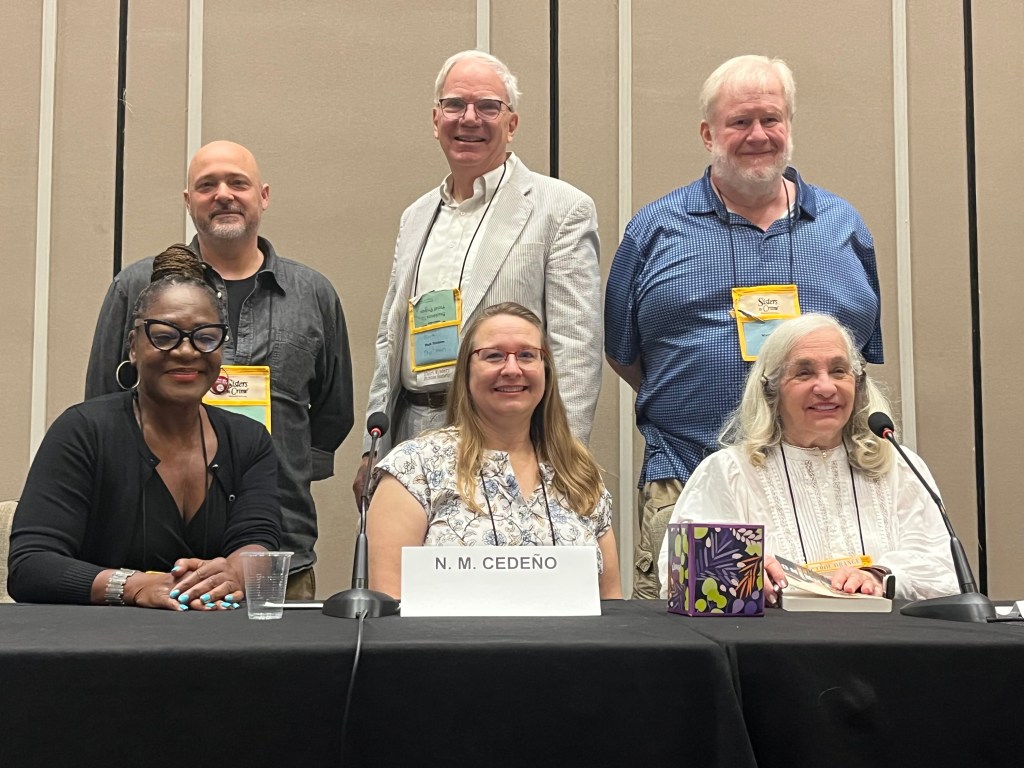
Last week, I attended Bouchercon 2025 in New Orleans, my second time to attend the world mystery conference. I learned my lesson in 2019 and placed myself on the list to be on a panel when I registered. And I was assigned to a panel discussing how authors create their authorial voices. I arrived in the assigned room to discover that I’d been placed on a panel with two English professors, a magistrate judge, and an art expert who were all mystery writers, with another mystery writer as the moderator. The line-up could have been intimidating. But I held my own and had as much intelligent information to offer about the topic as everyone else.

During the conference, I witnessed someone else suffering from “Imposter Syndrome.” I attended the Anthony Awards Ceremony and found myself seated at a banquet table with another author and her husband. The author was nominated for the Anthony Award. When an organizer of the event announced that each nominee and a guest or two of their choice should come to the front of the room to sit at tables reserved especially for them, the nominee at my table told her husband that she didn’t feel like she should go. I told her that she was nominated and deserved to be at the front. She refused to move, too self-effacing to feel that she belonged, even though she’d been nominated. The look on her face said that she doubted she would win, so she didn’t belong with those at the front closest to the stage.

When the ceremony reached my table-mate’s category, her husband began to record video on his phone. He had more faith in his wife than she had in herself. The look on her face when her name was called as the winner of the Anthony in her category was sheer surprise. She rose and went to accept her reward, no speech in hand, because she never expected to win. She managed to say a few words, thanking people while trembling slightly, and returned to our table, still in shock.

I congratulated her and told her that she deserved the award. She gave me a doubtful smile. I hope after she processes her win, she will realize that she did belong at the front of the room. I hope that she learns to accept that she is worthy of her own success.

I’ve met and heard of writers who do beautiful work, but are too filled with self-doubt to submit the work for publication or to publish it themselves. Their stories remain hidden in drawers and on hard drives. I’ve read novels that barely rose above average, but still were published. The difference in an average story that was published and a great story that was hidden away is frequently found in the confidence of the author in their own work.

What many of those self-doubting writers don’t know is how welcoming the mystery community is. The mystery community welcomes everyone at Bouchercon. By virtue of your attendance, you belong. Strangers will walk up and start conversations with you. Year round, organizations such as the Crime Writers of Color, Sisters in Crime, and the Short Mystery Fiction Society welcome aspiring writers and writers at every level of their careers, providing support and information to help them succeed.

If you are a writer, aspiring or published, of any genre, join a group and meet other writers. You belong!

*****

N. M. Cedeño is a short story writer and novelist living in Texas. She is active in Sisters in Crime- Heart of Texas Chapter and is a member of the Short Mystery Fiction Society. Find out more at nmcedeno.com.

The End of a Dream?

My first published story appeared in Analog: Science Fiction and Fact in 2012. Since about 2020, I’ve been making a concerted effort to land a story in that magazine’s sister mystery magazines, Ellery Queen Mystery Magazine (EQMM) and Alfred Hitchcock Mystery Magazine (AHMM). This has been my dream, my professional goal for years now. Thanks to changes in the industry, I may need to find a new goal.

Those who don’t follow the short fiction world may not be aware that a handful of the top paying professional mystery and science fiction magazines were sold to new owners in the last six months. Analog: Science Fiction and Fact, Asimov’s Science Fiction, EQMM, and AHMM were operated by Dell Magazines which was owned by Penny Press since 1996. The magazines were purchased earlier this year by Must Read Magazines, a division of Must Read Publishing, which is owned by Paragraph 1, Inc. Paragraph 1 also purchased The Magazine of Fantasy and Science Fiction which had been owned by Gordon Van Gelder since 2001.

What does that mean for readers?

So far, not much, other than a delay in the release of the latest magazine. My July/August issue of AHMM arrived this week, late under the previous publication timeline. The editors at the mystery magazines remain the same, which suggests that kinds of stories chosen for publication will remain the same.

What does this mean for authors?

Contract changes galore! UGLY ONES! The new owners have disposed of the old contracts, which were industry-standard short fiction contracts, and replaced them with new contracts that do not reflect the industry standard in any way.

The changes to the contracts are so extreme that authors are protesting loudly. Some, like Kristine Kathryn Rusch, have publicly announced that they will not be submitting to the magazines anymore and have pulled all pending stories because of failed contract negotiations. The Science Fiction and Fantasy Writers of America and Mystery Writers of America have both reviewed the contracts and entered negotiations on behalf of authors in hopes of improving the contract terms. Writer Beware has issued a warning statement on the contract terms, which included a waiver of moral rights and clauses covering production, merchandising, reprint, anthology, and other rights. The Submission Grinder formally delisted all of the magazines because of these “non-standard” contract terms.

In response, the owners of Must Read Magazines state that they are revising the contracts, supposedly replacing the moral rights waiver with other language. But even if that waiver is removed, the intellectual property rights grab involving production, merchandising, reprints, anthology, and other rights may remain.

This leaves me questioning what I should do. My last story in the queue at EQMM was recently rejected, but I have two stories submitted to AHMM right now. Do I leave them in the queue and see how negotiations play out? Do I pull them, as other authors have done, and submit them elsewhere?

If the top authors are pulling out, the quality of the magazines may decrease. Admittedly, my chances of getting a story published increase if others choose not to submit. But do I want to be in a magazine only because others decided the terms of the contract were too unfair? Does that make me a scab, willing to accept harmful terms out of desperation? Do authors stand a better chance of getting better terms if we all reject onerous contracts? We are all free-lancers with loose affiliations through memberships in writing organizations, not members of a union.

For now, this is all just a thought exercise about a dream, a goal I’d set for myself, a goal I may have to reset.

*****

N. M. Cedeño is a short story writer and novelist living in Texas. She is active in Sisters in Crime- Heart of Texas Chapter and is a member of the Short Mystery Fiction Society. Find out more at nmcedeno.com.

A Well. A Story.

By Dixie Evatt

I recognize that sometimes I can be excessively literal. That’s why when Julia Cameron reminds us to make time to fill our creative well, I picture an actual old-timely water well. In my mind’s eye, ideas, quotes, games, puzzles, cartoons, pictures, and music pour into the well from every direction – a rainstorm of colors, smells and sounds.

I was first introduced to the concept when I joined an Austin creative community, led by the inestimable Ann Ciccoletta, Artistic Director of Austin Shakespeare. The group draws inspiration from Cameron’s self-help classic, The Artist’s Way – A Spiritual Path to Higher Creativity. Since its initial publication in 1992 it has been reprinted more than forty times and served as a catalyst for dozens of other inspirational works by Cameron. Her message is intended for everyone– writers, artists, photographers, actors, composers, dancers, poets, musicians, singers, and everyday folks alike alike — who want to unlock their inner creative self. Her advice:

Filling the well involves the active pursuit of images to refresh our artistic reservoirs. Art is born in attention. Its midwife is detail… In filling the well, think magic. Think delight. Think fun. Do not think duty. Do not do what you should do …Do what intrigues you, explore what interests you; think mystery, not mastery. A mystery draws us in, leads us on, lures us.

Once married to Martin Scorsese, Cameron’s life was a rollercoaster of good times-bad times-terrible times until she ultimately found sobriety. In an article about the 30th anniversary of her landmark book, The Guardian says:

Inspired by the Alcoholics Anonymous model, the book offers a programme for “artistic recovery”.

Cameron has benefited from her own advice with twenty-three titles on creativity to her credit along with seven books on spirituality; three works of fiction; one memoir; seven plays; five prayer books; four books of poetry; and one feature film.

The prompt for that bombardment of ideas to “fill the well” is can be the weekly Artist Date – another Cameron recommendation consisting of making an appointment with yourself to intentionally seek out sources of inspiration. In gardens. In museums. In craft stores. In coffee shops. Anyplace that can excite the senses is a destination for a date with oneself.

I find that it’s often a good idea to pair these dates with something to nudge you forward. For instance, I subscribe to Austin Kleon’s weekly newsletter (it drops into my email each Friday). It lists his “ten things worth sharing” with brief commentary and links to articles, songs, books, films, podcasts, events, and other content. Kleon is an Austin-based, best-selling author (Steal Like an Artist) who, like Cameron, writes to inspire others. More can be found at his website: https://austinkleon.com.

I was reminded of these never-ending sources of inspiration when, in late April, I had the good fortune to share a table with Spike Gillespie at the Austin Public Library’s second annual Greater Austin Book Festival (aka GAB Fest). Gillespie is well known in Austin writing circles for her unflinching commentary and multiple books. She lives on a ranch outside the city where she hosts gatherings for writers to find inspiration.

We had a chance to chat as we watched readers and fellow authors mill around the book festival, occasionally dropping by our table to ask about our book displays. Then a little girl – probably no more than seven or eight years old — approached to help herself to our free mints. She kept picking up one after another until her hands couldn’t hold anymore. After she walked away my conversation with Gillespie built on the encounter …and how often desire can exceed capacity. From there we talked about the importance of being a listening writer. To observe. To absorb. To listen.

I thought about this later and remembered what Cameron advised writers in her 2021 book, The Listening Path: The Creative Art of Attention:

We do not struggle to think something up; rather we listen and take something down. Very little effort is required; what we are after is accuracy of listening.

Inspiration can be right under your nose. It can come over the transom unexpectedly. It can spring from an unplanned conversation. It may drop into your email. Watch for it so you can fill the well.

CAPTIONS

Well — AI Generated

Photo — Dixie (L) and Spike (R) 2025 GABFest

May is Upon Us! : A Spring Report

N.M. Cedeño

Derringer Awards: Short Mystery Fiction Society

I spent part of April reading to vote for the Derringer Awards and to come up with my nominations for the Anthony Awards. The Derringer Award Winners were announced May 1 by the Short Mystery Fiction Society. I’m happy to recommend all of the Derringer Awards winners to anyone looking to dip their feet into the world of mystery short stories. If you have time, read all of the Derringer finalists, too. All of the stories were extremely well done. The Anthony Award nominees also have been announced.

Then, April’s reading fun ended to make way for May’s madness.

May is one of those months that I hope to survive and not drop any of the many balls I’m trying to keep in the air while dealing with whatever curveballs the world throws at my family.

May brings the expected…

Torrential rains causing Flash Flooding. Tornado watches and warnings. Hail. A family birthday. Mother’s Day. AP Exams requiring early morning drop-offs. The end of the college semester and dorm move-out. Tech week for a senior showcase musical review plus two performances of the review. A high school graduation with a family party planned and invitations mailed to celebrate it. Etc.

These May events mark the passage of the season like clockwork. From the end of school events to the spring storms, I’m used to dealing with these things.

This May has also brought the unexpected.

This month’s unexpected events so far include a car wreck, knocking a vehicle out of commission, so that I have to drive my offspring everywhere again. This driving includes 7:30 am drop offs at the high school for AP exams and 9:00 pm pick-ups at the theater after rehearsal for tech week. As a bonus, I get to deal with two insurance companies calling and emailing me for information. On the bright side, the motorcycle rider who collided with the bumper of the car was miraculously uninjured. (The call telling me that the accident involved a motorcycle was heart-stopping. They aren’t called donor-cycles in hospitals for nothing.)

The second unforeseen event was the sad and horrific suicide of a high school senior that my daughter knew. Knowing that a girl so full of promise ended her life a mere three weeks before graduation is gut-wrenching for everyone, even those only tangentially connected to her. For my child, who saw her every day at school, the death came as a terrible shock.

So, of course, since my brain is spinning, I started an unnecessary project– stripping the paint from a 1960s Drexel secretary desk that is in need of refinishing. My dear brother, who goes to more estate sales than he should, dropped…er gifted the piece to me after his wife rejected it for their house. The process of refinishing the desk is coming along slowly since I’m only working on it an hour or two a day, here and there. I needed a somewhat mindless, manual project to work away some stress. Scraping and sanding has been therapeutic and soothing.

When I’m done with the refinishing project, I’ll have something tangible to show for my labors and a sense of satisfaction in a job well done, like the feeling I get from writing a story but without the deep concentration needed to invent a plot and characters. That deep concentration is eluding me at the moment, so I’ve been editing what I’ve already written more than writing new material. However, in spite of May’s madness, I have submitted three stories to magazines already this month. I hope to submit a few more since I’m behind schedule on my submissions for the year.

I do have three stories accepted for publication at the moment. I’ll provide more about those stories when I have fixed publication dates.

I hope your May is going well!

***

N. M. Cedeño is a short story writer and novelist living in Texas. She is active in Sisters in Crime- Heart of Texas Chapter and is a member of the Short Mystery Fiction Society. Find out more at nmcedeno.com.

JUST LOOK AROUND!

by HELEN CURRIE FOSTER

Not enough rain fell this year to allow the brilliant cerulean fields of Hill Country bluebonnets we usually expect, but the hardy lupines are busy making seedpods. “Maybe next year,” they say. Now instead we have the bright yellow coreopsis lanceolata, nodding their heads with any breeze,

the wine-cups with their indescribable color—a member of the mallow family, not quite fuchsia, not maroon, just—heart-stopping,

the milkweed flower globes beloved of monarch butter-flies, and others. Heaven includes a few prairie celestials, magically opening in early in the afternoon, then vanishing by dusk.

Also, “Sweet Mademoiselle,” planted a couple of years ago, and who has never bloomed, produced her first rose!

Meanwhile, the ever-interloping cactus hope to assuage my fury at them (remember those secretly spreading roots and the huge basal “plates” that help the Cactus Conspiracy spread?) by popping open their yellow flowers. I am not fooled. I’ll continue to battle them with shovel and hoe. And a picker-upper.

Now for some Hill Country facts.

BIG CATS?  Just in case you thought the animal that appears in my mystery Ghost Cat was, perhaps, unrealistic? Over-the-top? Mere fantasy? Couldn’t have played a part at beginning and end? Not so! https://www.statesman.com/story/news/state/2025/04/21/mountain-lion-san-marcos-trail-texas-sightings/83194256007/

See? Perfectly possible. It’s still wild out here in the Hill Country, even as suburbs press upon us. At dusk I often find myself glancing at the edge of the drop-off behind the house, wondering if I’ll see a pair of ears. You can say mountain lion, puma, cougar…they’re secretive, strong, and active in the spring.

But the big cat I once saw on Bell Springs Road west of here was likely a large bobcat. I was alone, driving home from the post office. Up ahead a golden vision, spotted, walked slowly to the edge of the asphalt. I stopped. The cat stood, gazed at me, and after a breathless (for me) interval, gracefully turned and vanished through a fence into thick cedar. A magical moment. Every time I drive that road, I hold my breath, longing for one more sighting of something looking like this:

https://images.app.goo.gl/K9VMv8bW92CpoSacA

ANCIENT BONES? I wrote about old bones in my Ghost Bones (2024)—and now have learned that our Hays County police deal with ancient bones more often than you’d think. One resident recently called to report she’d found a skull in her firepit. The skull, with its lower jaw present, was obviously fairly old, but in an unexplained death Hays County is not permitted to send a body to the Travis County Medical Examiner without including the name of the person whose skull it is. (Hays County doesn’t have its own medical examiner.) So this skull traveled instead to Texas State anthropologists who reported, after testing, that the skull apparently belonged to a long, long-ago teenager who’d gone through hard times, as was evident from the “enamel lines” (a bit like tree rings) in the teeth.

But how it wound up in that firepit? So far as I know, that’s still a mystery. We forget—until reminded by a skull in a firepit—how long humans have roamed these hills, drawn by hunger and thirst to spring water and the hunt for food.

We also forget the age and history of this landscape. Some trees have sheltered native Americans, deer, and buffalo. The Columbus Live Oak near the Colorado River in Columbus is estimated to be over 500 years old. Others may be as old as 1,000 years.

https://tfsweb.tamu.edu/websites/FamousTreesOfTexas/TreeLayout.aspx?pageid=26882; https://goodcalculators.com/tree-age-calculator/

I revere the live oak in our front yard as if it were a beloved ancient relative and a symbol of stability and the power of trees. If anything were to happen to it—woe! I tried to estimate its age—using the calculator instruction to measure girth in inches at 4.5 feet, divide by pi, then multiply by a “growth factor” of 4, which gave me 127 years old. Perhaps this tree was a sapling in 1900, before either World War, before the Viet Nam war, before our current fraught politics. On a nearby hill there’s an ancient patch of even bigger live oaks. Perhaps those particular oaks depend on the odd little ribbon of wet white clay that lies about five feet underground and has been there—who knows how long. But the feeling of walking in beneath these old live oaks can confer a sense of being in the protection of one’s elders.  

So, welcome to the Hill Country in spring—southeasterly winds from the Gulf, blowing the flowers back and forth; reasonably moderate temperatures; fields and trees as green as green, as far as you can see. At the bird feeder, more color! Purple house finch, yellow-throated vireo, lesser goldfinch with brilliant gold breasts, vermilion cardinals, black-crested titmouse, white-winged dove—and the shy and tiny, but utterly gorgeous, painted bunting. (Reportedly it loves millet.) They provide not just color but music, from the titmouse, the tiny but high-volume Carolina wren, plaintive doves, whistling cardinals, and, at night, chuck-will’s-widow.

Not for long, of course. In winter ice can wreak havoc on trees and people. Summer sun? Scorching. Autumn? Nothing like the colors of New England, but hey—the sumac turns red. So welcome, Spring, with your bluebonnets and live oaks, with bird music and color, and with your reminder of the power and beauty of nature!

Progress report: madly working on Book 10 of the Alice MacDonald Greer Mystery series, set in the Hill Country. Have ordered “Forest Bathing” by Dr. Qing Li. Would enjoy hearing what you all are reading too, and any reports of “forest bathing”!

Helen Currie Foster lives and writes the Alice MacDonald Greer Mystery series north of Dripping Springs, Texas, loosely supervised by three burros. She’s drawn to the compelling landscape and quirky characters of the Texas Hill Country. She remains deeply curious about our human history and how, uninvited, the past keeps crashing the party.

Follow Helen at http://www.helencurriefoster.com.

My Keys Won’ Work


by Kathy Waller


It’s been quite a while since I posted,* and I should wait until my turn rolls around again. But today a fellow Wretch shared something that had happened to her, and that reminded me of something that happened to me, and this is an Open week on ISW, so I decided to share what my friend’s remark reminded me of. Right now. Before I forget.

This is a repost of a repost of a post I wrote for Telling the Truth, Mainly in 2010, using my first laptop.  A monster Dell, it weighed at least fifty pounds, or seemed to at the time, but I loved it and lugged it everywhere. My introduction to coffee-shop writing, it was a sort of movable feast. But—there was one little problem. Two or three times. Read on.

*


INTRO, PART 2

While I was writing a post one evening, my laptop keys stopped working–one at a time, in no particular order. No matter how hard or in which direction I tapped, they didn’t depress, and nothing appeared on the screen. I considered giving up, then decided to keep a-goin’. The next day, I called technical service, was told I could replace the keyboard myself, visited Radio Shack for tools, used them, nearly stripped a screw, called tech service, received a visit from a tech, and got a quick fix.

An easily replaceable keyboard isn’t usually much to worry about, but in my keyboard’s case, there were extenuating circumstances. I was afraid something beneath the keyboard might be causing the malfunction, and that the tech might think so too. He might know how it got there and give me a look of reproof, possibly a mild reprimand. He might even sneer.

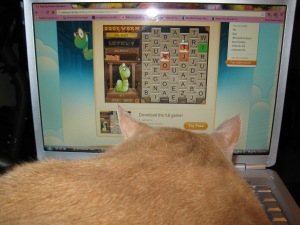
William Davis & Bookworm

I would have to stand there, blushing, and take it. My innate honesty would prevent me from saying my husband did it.

To learn why I would have blushed, you’ll have to read to the end.

Hint #1 : A single e might mean tech. But it might not. An a might mean a, or not.

Hint #2: The thing I was afraid was under the keyboard–it wasn’t cat hair. Cat hair wouldn’t have made me blush.

Hint #3: Don’t sweat the small stuff. Whatever you don’t get is small stuff. You’ll get the drift.

Hint #4: If you’re tempted to stop, please, at least skim to the end. I’ve added a translation of the last few lines. Last lines are usually important, and I’d like these to be understood. In addition, I managed to throw in a couple of words from Hamlet. 

Well, finally, here’s the post.

*****

THE POST

Wa do you do wen your keyboard malfunions?

Wen my spae bar sopped working, I aed online wi Dell e suppor.  e e old me I would reeie a new keyboard in e mail. I was supposed o insall i.

“Me?” I said. “Insall a keyboard?”

e e said i would be a snap. If I needed elp, e would walk me roug i.

I go e keyboard and looked up e insruions, wi said I ad o unsrew e bak. I jus knew I would be eleroued.

Bu I boug a se of srewdriers a RadioSak and flipped e lapop oer, remoed e baery, and aaked e srews.

e srews wouldn’ budge. I exanged a srewdrier for anoer srewdrier. I used all six. None of em worked.

I wen online again o a wi Dell. e e lisened, en old me o ry again.

I oug abou e definiion aribued o Einsein: Insaniy is doing e same ing oer and oer and expeing a differen resul.

“I wouldn’ urn,” I old e e.

He said e would send a e ou o e ouse o insall e keyboard for me. (I’m no dummy. Wen I boug e lapop, I boug a e o go wi i.)

Anyway, e nex day a e ame. He go ou is se of 3500 srewdriers, remoed e srews, ook off e old keyboard, and insalled e new one. He said I didn’ ave e rig size srewdrier. en e asked wa else I needed.

“I know you don’ ae an order for is, bu ould you wa me insall is exra memory a Dell e said I’m ompenen o insall myself?” He said e’d o i for me. I oug a was ery swee.

Anyway, i’s appened again, exep is ime i’s more an e spaebar. I’s e , , , and  keys.

I’e used anned air. So far all i’s done is make ings worse. Wen I began, only e  key was ou.

How an I wrie wiou a keyboard?

So tomorrow I’ll chat with my Dell tech and—

Well, mercy me. I took a half-hour break and now all the keys are working again. I wonder what that was all about.

Nevertheless, I shall report the anomaly. Call me an alarmist, but I don’t want this to happen a third time. I might be preparing a manuscript for submission. I’m being proactive.

But still—I’m torn. If I do need a another new keyboard, I want a tech to make a house call. I don’t have the proper screwdriver, I don’t know what size screwdriver to buy, and I don’t want to tamper with something that is still under warranty.

On the other hand, I have to consider the worst-case scenario: The tech takes out his screwdriver, loosens the screws, turns the laptop over, removes the keyboard, and sees lurking there beneath the metal and plastic plate the reason for my current technical distress: crumbs. 

And—sneer—”Been eating Oreos while you type, huh?”

e same, e earae, e disgrae a being found guily of su a soleism. e prospe is oo illing o spell ou.**

Bu for the sake of ar, I sall submi myself o e proud man’s onumely. omorrow I sall a wi Dell.***

[TRANSLATION OF ** and ***, ABOVE}

The shame, the heartache, the disgrace at being found guilty of such a solecism. The prospect is too chilling to spell out.

But for the sake of art, I shall submit myself to the proud man’s contumely. Tomorrow I shall chat with Dell.

***

I intended to wrap things up with a brief book review, but enough is enough.  I’ll save the review for next time. Anyway, the book is too good to be an add-on. It deserves to have a space all to itself.

***

Image of keyboard by Simon from Pixabay

Image by Michael Schwarzenberger from Pixabay

Image of William Davis playing Bookworm by MKW

*

Kathy Waller (aka M.K. Waller) writes crime/suspense fiction, literary fiction, humor, and whatever else comes to mind. Her stories appear in anthologies and online. She’s co-author of the novella STABBED, written with Manning Wolfe. Currently, she’s working on a who-dun-it set in small-town Texas. A native of such a town (minus murders, of course), she lives in Austin. She no longer has two cats but is happy to still have one husband.

*Kathy wishes she could say she’s been too busy doing Good Works to post,  but she hasn’t, and she doesn’t believe in telling fibs, and nobody who knows her would believe the Good Works story anyway. She’ll say only that she’s been on hiatus.

When Disinformation Leads to Death

N.M. Cedeño

Here in Texas over four hundred people have contracted measles in the past few months, resulting in the death of at least one child. Most of these cases were preventable with a vaccine. So why weren’t the victims immunized? Some are infants, too young to be vaccinated. A few may be people with compromised immune systems or other medical conditions that prevent them from receiving vaccines. However, the majority aren’t vaccinated because of conspiracy theories and false information being fed to parents, making them fear the vaccine.

Back in the 1990s, a British doctor, whose medical license was later revoked because of the medical hoax he perpetrated, falsified a study claiming to have identified a causal link between the vaccine for measles, mumps, and rubella, (the MMR vaccine) and autism. He published a massive lie that spread like wildfire and caused vaccination rates in Europe and the United States to plummet. By the time the fraud was revealed, the damage had been done.

As a parent of a child on the autism spectrum, I am absolutely certain the MMR vaccine did not contribute to the condition. I spotted variances in my child’s development by the time he was six months old. I knew something was different about the way he did and did not focus on motion months before he was given his first MMR vaccine. No vaccine caused his neurological differences. The most likely cause is a complex interaction of genetic factors.

Measles and rubella are not diseases that should ever be allowed to spread unchecked. Measles can kill, and when it doesn’t kill, it can obliterate the patient’s immune system, leaving them susceptible to a variety of infections. In countries where vaccination rates for measles are low, children who survive measles frequently die of other illnesses within a short time after having measles. Measles is also one of the most contagious diseases in the world, able to linger on surfaces and in the air for hours after an infected person has left the area.

William Morrow Paperback, reprint edition cover 2004

Rubella, depending on the stage of a woman’s pregnancy when she contracts the disease, can cause blindness, deafness, heart deformities, developmental abnormalities, and death for babies. Many infants only survive a short period after birth due to the damage caused in utero by rubella, also known as German measles. A well-known example of the harm caused by rubella was the case of actress Gene Tierney’s daughter, Daria, which inspired Agatha Christie’s novel The Mirror Crack’d from Side to Side.

Growing up, I heard the story of my uncle’s birth from my grandmother more than once. She contracted rubella while pregnant and decided not to go to the doctor for her check up that month because she knew that the doctor would push her to abort. In 1950s America, doctors saw so many deaths of newborns caused by rubella that they frequently advised a mother to abort if she contracted rubella while pregnant.

My grandmother made a choice, believing one should always give life a chance, knowing that her baby might not survive. My uncle was born at around three pounds, his growth and development stunted by the disease. He was deaf in one ear, had heart problems, had very poor vision, and only grew to about five feet tall. But he survived and lived to the age of 70, managing to get a driver’s license, go to community college, and work a variety of jobs.

As a parent, I have met other parents who chose not to vaccinate their kids. That decision, made by otherwise intelligent and educated people, still shocks and disheartens me. Reading that the parents of the child who died from measles still say that they wouldn’t have vaccinated their child scares me. How could they possibly think that the vaccine is somehow worse than the death of their child?

This current measles crisis is yet another example of conspiracy theories and false information being promoted over facts and truth to the detriment of society. Disinformation campaigns, conspiracy theories, and the current general distrust of any authority inspired me to write my latest story, entitled “Murder by Alternate Facts.” In the story a young woman named Arlene stumbles upon a wreck on a lonely country road and is forced to make a choice affecting who lives and who dies. The repercussions of Arlene’s choice inspire conspiracy theories, dividing her hometown and leading to murder.

“Murder by Alternate Facts” appears in the Murderous Ink Press anthology Crimeucopia: Chicka-Chicka Boomba! from editor John Connor.

*****

N. M. Cedeño is a short story writer and novelist living in Texas. She is active in Sisters in Crime- Heart of Texas Chapter and is a member of the Short Mystery Fiction Society. Find out more at nmcedeno.com.