Naming Characters: Steve Dauchy MacCaskill

I’m working on a mystery novel—I’ve been working on it for years, but am now seeing the light at the end of the tunneland am faced with dilemmas too numerous to whine about in only one post, so I’ll move along.

I will instead write about the one pleasure of the writing life: creating and naming characters.

My novel is set in a little town very like my own hometown. I don’t base my plot on real events, and I don’t use real people as characters—with one exception: Steve Dauchy.

Not Steve, but close

Note: One of my readers, Dr. Cullen Dauchy, knows more about Steve than I do, especially about his early life, and I hope he’ll feel free to correct any errors.

Steve Dauchy was a career blood donor at Katy Veterinary Clinic in Katy, Texas. On retirement he moved to Fentress, where he lived with his veterinarian-owner’s parents, Joe and Norma Dauchy. Joe and Norma lived next door to me; in local terms, next door meant that my house was on one corner, then there was a half-acre “patch” of pecan and peach trees and grass and weeds, then a street, and then on the next corner, the Dauchy yard and their house. The point being that when Steve visited me, he didn’t just stroll across a driveway.

Joe was my dad’s first cousin, so I guess that makes Steve and me second cousins. I have a lot of cousins on that side of the family, although most are human.

Steve is a family name, with a story behind it. As I understand it, back in the ’20s or ’30s, my Great-uncle Cull (Joseph Cullen Dauchy, Sr.), enjoyed listening to a radio program about a Greek character who frequently spoke of “my cat Steve and her little cattens.” Uncle Cull was so amused by the phrase that he named a cat—probably one of the barn cats—Steve. And for the next forty or so years, he always had a cat named Steve.
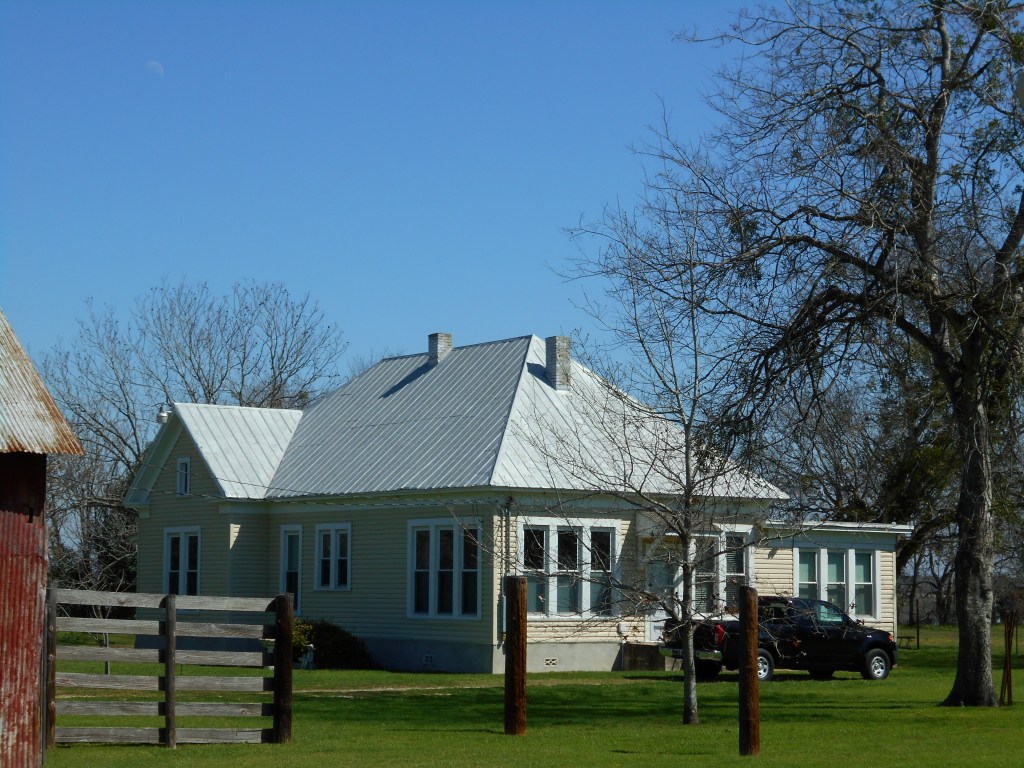
Uncle Cull and Aunt Myrtle Dauchy’s house, home of the first Steves

So when the clinic cat became part of the Uncle Cull’s son and daughter-in-law’s family, he became the latest in a long line of Steves.

How to describe Steve? He was a fine figure of a cat: a big tabby, deep orange, with an expression of perpetual boredom. His reaction to nearly everything translated as, “Meh.” I’ve heard that’s common among clinic cats.

Once when Steve was standing on my front porch, the neighbor’s Great Dane got loose and charged over. I was frantic, shouting at the dog, shouting at Steve. But when the dog hit the porch, Steve just looked up at him. Dog turned around and trotted home.

Some would say Steve was brave, and I’m sure he was. But I believe his grace under pressure had their roots elsewhere.

First, he had experience. He knew dogs. In his former employment, he’d observed the breed: big, little, yappy, whining, growling, howling, cringing, confined to carriers, restrained by leashes, sporting harnesses and rhinestone collars, hair wild and matted, sculpted ‘dos and toenails glistening pink from the OPI Neon Collection. He’d seen them all. He was not impressed.

Facing down a Great Dane, however, took more than experience. There was something in Steve’s character, an inborn trait that marked him for greatness: his overarching sense of entitlement. He was never in the wrong place at the wrong time. My porch was his porch. The world was his sardine.

Except for the kitchen counter. Steve thought kitchen counters were for sleeping, but Joe and Norma’s maid didn’t. Consequently, he stayed outside a lot. He took ostracism in stride and used his freedom to range far and wide. Far and wide meant my yard.
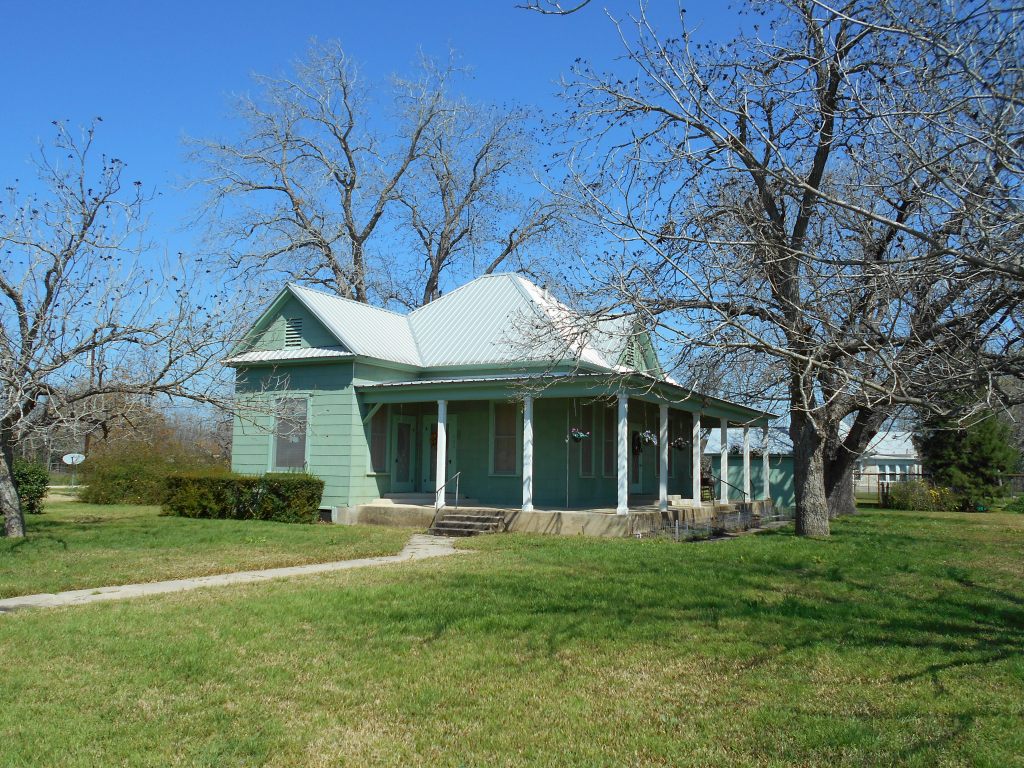
Steve’s house

At that time I had three indoor cats—Christabel, Chloe, and Alice B. Toeclaws—and a raft of outdoor cats. The outdoor cats started as strays, but I made the mistake of naming them, which meant I had to feed them, which meant they were mine. Chief among them was Bunny, a black cat who had arrived as a teenager with his gray-tabby mother, Edith.

One day Bunny, Edith, and I were out picking up pecans when Steve wandered over to pay his respects, or, more likely, to allow us to pay our respects to him. Bunny perked up, put on his dangerous expression, and walked out to meet the interloper. It was like watching the opening face-off in Gunsmoke.

But instead of scrapping, they stopped and sat down, face to face, only inches apart. Each raised his right paw above his head and held it there a moment. Next, simultaneously, they bopped each other on the top of the head about ten times. Then they toppled over onto their sides, got up, and walked away.

That happened every time they met. Maybe it was just a cat thing, a neighborly greeting, something like a Masonic handshake. But I’ve wondered if it might have had religious significance. Bunny was a Presbyterian, and Steve was a Methodist, and both had strong Baptist roots, and although none of those denominations is big on ritual, who knows what a feline sect might entail?

Steve had a Macavity-like talent for making himself invisible. Occasionally when I opened my front door, he slipped past and hid in a chair at the dining room table, veiled by the tablecloth. When he was ready to leave, he would hunt me down—Surprise!—and lead me to the door. Once, during an extended stay, he used the litter box. Christabel, Chloe, and Alice B. Toeclaws were not amused.
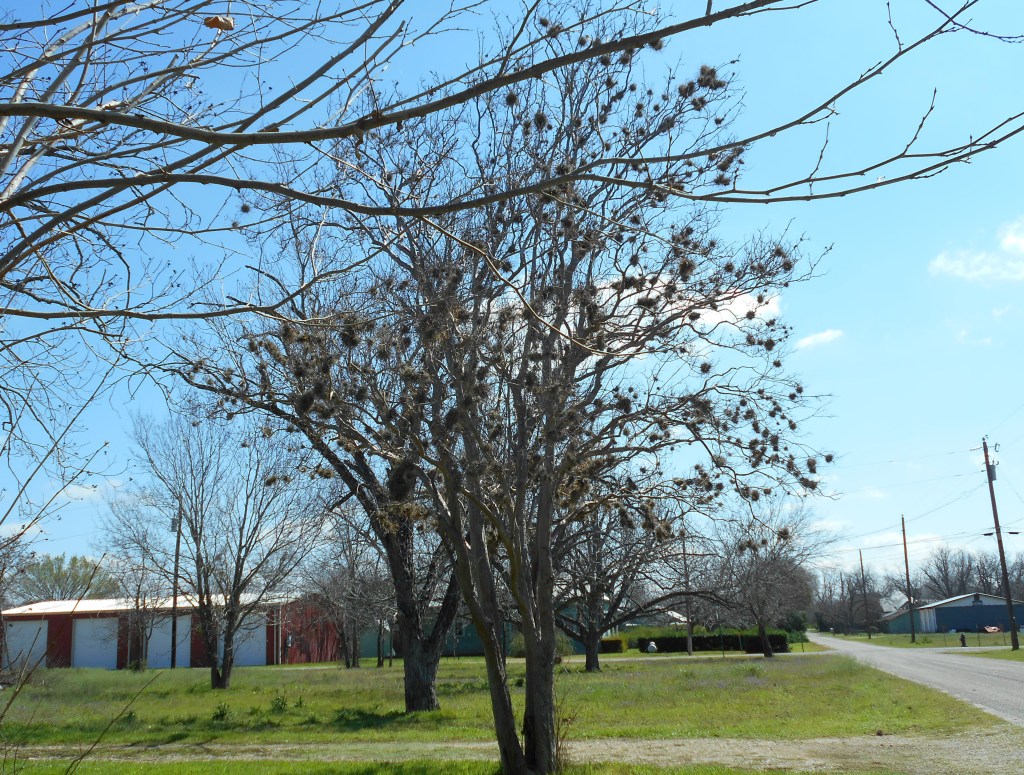
Distance Steve traveled between his house and mine. His house is way over there behind the trees.

Invisibility could work against him, though. Backing out of the driveway one morning, I saw in the rearview mirror a flash streaking across the yard. I got out and looked around but found nothing and so decided I’d imagined it. When I got home from work, I made a thorough search and located Steve under my house, just out of reach. I called, coaxed, cajoled. He stared. It was clear: he’d been behind the car when I backed out, I’d hit him, and he was either too hurt to move or too disgusted to give me the time of day.

It took a long time and a can of sardines to get him out. I delivered him to the veterinarian in Lockhart; she advised leaving him for observation. A couple of days later, I picked him up. Everything was in working order, she said, cracked pelvis, nothing to do but let him get over it.

“Ordinarily,” said the vet, “I would have examined him and sent him home with you the first day. I could tell he was okay. But you told me his owner’s son is a vet, and I was afraid I’d get it wrong.”

Although he was an indoor-outdoor cat, Steve managed plenty of indoor time at his own house, too, especially in winter, and when the maid wasn’t there. One cold day, the family smelled something burning. They found Steve snoozing atop the propane space heater in the kitchen. His tail hung down the side, in front of the vent. The burning smell was the hair on his tail singeing. They moved him to a safer location. I presume he woke up during relocation.

At night, he had his own bedroom, a little garden shed in the back yard. He slept on the seat of the lawnmower, snuggled down on a cushion. Except when he didn’t.

One extremely cold night, I was piled up in bed under an extra blanket and three cats. About two a.m., I woke up to turn over—sleeping under three cats requires you to wake up to turn over—and in the process, reached down and touched one of the cats. It was not my cat.

I cannot describe the wave of fear that swept over me. It sounds ridiculous now, but finding myself in the dark with an unidentified beast, and unable to jump and run without first extricating myself from bedding and forty pounds of cat—I lay there paralyzed.

Unnecessarily, of course. The extra cat was Steve. He’s sneaked in and, considering the weather forecast, decided that sleeping with a human and three other cats in a bed would be superior to hunkering down on a lawnmower.

Steve’s full name was, of course, Steve Dauchy. In my book, he will be Steve MacCaskill. MacCaskill was the name of a family who lived next door to my Aunt Bettie and Uncle Maurice. Their children were friends of my father and his brothers and their many cousins. They were a happy family.

“My family had to plan everything,” my dad’s cousin Lucyle Dauchy Meadows (Steve’s aunt) told me, “but the MacCaskills were spontaneous. If they decided they wanted to go to a movie, they just got into the car and went to a movie.” When Lucyle and the other girls helped their friend Mary Burns MacCaskill tidy her room before the Home Demonstration Agent came to examine it, one of the first things they did was to remove the alligator from the bathtub.

I heard so many delightful stories about the MacCaskill family that I decided they were too good to be true. Then, at Aunt Bettie’s 100th birthday party, my mother introduced me to Mary Burns MacCaskill, who had traveled from Ohio for the party.

So as an homage to that family, I’ve named my main character Molly MacCaskill. And when choosing a pet for Molly, I couldn’t choose a finer beast than Steve.

*

Note: Cullen Dauchy no longer owns Katy Veterinary Clinic, but he did when Steve worked there, and the clinic was Steve’s first home, so I’m leaving the link.

And I’m so glad the Home Demonstration agent didn’t inspect bedrooms when I was a girl. I didn’t have an alligator, but she might have thought I had something worse.

***

This post first appeared in Ink-Stained Wretches in 2021.

***

Kathy Waller blogs at Telling the Truth, Mainly. She has published short stories, and a novella co-written with Manning Wolfe. She is perpetually working on a novel.

Bouchercon and Imposter Syndrome

Bouchercon is what the mystery community calls the World Mystery Convention. When I registered to attend my first Bouchercon in 2019, I didn’t place myself on the list of authors willing to be on a panel to discuss writing in front of attendees. I felt like I was a rank beginner who needed to attend the conference to learn, not to teach anybody anything. In spite of receiving encouragement to sign up for a panel from a regular conference attendee, I didn’t feel qualified.

At that time, I’d had one short story traditionally published and had self-published four novels and a bunch of short stories. That one traditionally published story, entitled “A Reasonable Expectation of Privacy,” had appeared in Analog: Science Fiction and Fact in 2012 and came in third in the 2013 Analog Readers Poll. In 2019, I was also the chapter president for Sisters in Crime: Heart of Texas Chapter after previously serving two years as vice-president. While I volunteered at the 2019 Bouchercon to sit and greet people at the Sisters in Crime table and organized meetups for my chapter members, I felt discussion panels were for distinguished writers with long lists of publications, not me. Who was I to sit on a panel?

I arrived at Bouchercon in Dallas and eagerly set out to attend discussion panels, and quickly realized that I’d under-rated myself. In several of the panels I attended, men were up on the dais, discussing their one and only short story publication. Those men felt confident enough with a single publication to place themselves on the list for a panel assignment. And that one story had indeed qualified them to discuss their writing.

“Imposter Phenomenon” was first described in high-achieving women by two female psychologists in 1978. They discovered that despite receiving recognition, accolades, or achieving success in their fields, many high-achieving women suffered from severe self-doubt, feeling that they didn’t deserve their success. Later studies found the phenomenon doesn’t discriminate, striking both men and women.

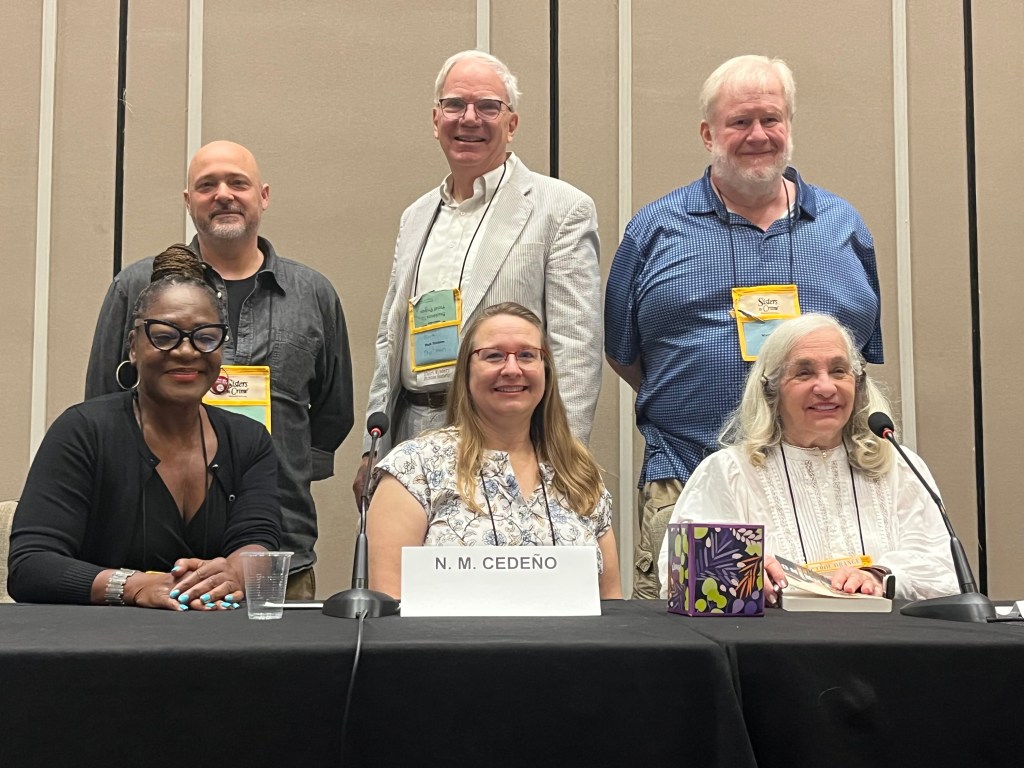
photo by KT Bartlett 2025

Last week, I attended Bouchercon 2025 in New Orleans, my second time to attend the world mystery conference. I learned my lesson in 2019 and placed myself on the list to be on a panel when I registered. And I was assigned to a panel discussing how authors create their authorial voices. I arrived in the assigned room to discover that I’d been placed on a panel with two English professors, a magistrate judge, and an art expert who were all mystery writers, with another mystery writer as the moderator. The line-up could have been intimidating. But I held my own and had as much intelligent information to offer about the topic as everyone else.

During the conference, I witnessed someone else suffering from “Imposter Syndrome.” I attended the Anthony Awards Ceremony and found myself seated at a banquet table with another author and her husband. The author was nominated for the Anthony Award. When an organizer of the event announced that each nominee and a guest or two of their choice should come to the front of the room to sit at tables reserved especially for them, the nominee at my table told her husband that she didn’t feel like she should go. I told her that she was nominated and deserved to be at the front. She refused to move, too self-effacing to feel that she belonged, even though she’d been nominated. The look on her face said that she doubted she would win, so she didn’t belong with those at the front closest to the stage.

When the ceremony reached my table-mate’s category, her husband began to record video on his phone. He had more faith in his wife than she had in herself. The look on her face when her name was called as the winner of the Anthony in her category was sheer surprise. She rose and went to accept her reward, no speech in hand, because she never expected to win. She managed to say a few words, thanking people while trembling slightly, and returned to our table, still in shock.

I congratulated her and told her that she deserved the award. She gave me a doubtful smile. I hope after she processes her win, she will realize that she did belong at the front of the room. I hope that she learns to accept that she is worthy of her own success.

I’ve met and heard of writers who do beautiful work, but are too filled with self-doubt to submit the work for publication or to publish it themselves. Their stories remain hidden in drawers and on hard drives. I’ve read novels that barely rose above average, but still were published. The difference in an average story that was published and a great story that was hidden away is frequently found in the confidence of the author in their own work.

What many of those self-doubting writers don’t know is how welcoming the mystery community is. The mystery community welcomes everyone at Bouchercon. By virtue of your attendance, you belong. Strangers will walk up and start conversations with you. Year round, organizations such as the Crime Writers of Color, Sisters in Crime, and the Short Mystery Fiction Society welcome aspiring writers and writers at every level of their careers, providing support and information to help them succeed.

If you are a writer, aspiring or published, of any genre, join a group and meet other writers. You belong!

*****

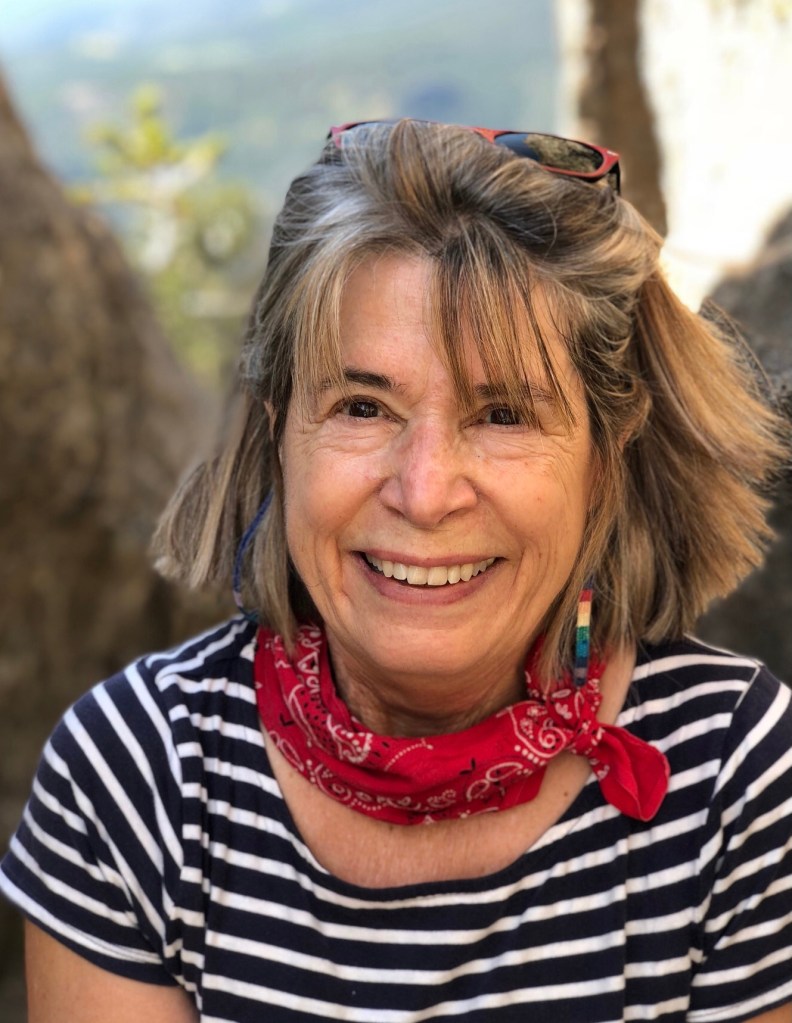
N. M. Cedeño is a short story writer and novelist living in Texas. She is active in Sisters in Crime- Heart of Texas Chapter and is a member of the Short Mystery Fiction Society. Find out more at nmcedeno.com.

See You…in September!

by Helen Currie Foster

It’s September 1. New school year! New shoes, after a hot barefoot summer! New outfit, for the first day of school! And then––new classes! New subjects, new teachers, new tools! New friends! New lockers, new classrooms, new hallways…. New season—new teammates, new coach, new plays.

Remember your first day back at school? Back to college, back to university? Do you remember the excitement, the nervousness, the anticipation?

Today is Labor Day. And now there will be apples, apple pie and apple crisp. There will be chrysanthemums, spilling out of baskets. Even in central Texas, leaves will change color—as Maxwell Anderson’s lyrics have it, “When the autumn weather turns the leaves to flame.” Here in the Hill Country, sumac and Spanish oak turn red, sweet gum turns yellow. No, not the glory of the maples, but a change in the landscape. Because finally, after the dog days of summer, that’s what September brings: something new.

It’s time to pull up the tired summer flowers and thank them for their service. Time to dig some holes and plant new trees, and order some bulbs. I’ll be planting the Mexican plum seedlings a friend gave me, and ordering narcissus bulbs for indoor blooming.

Then the Hill Country brings its own fall excitement. Dove season began today and a down-the-road neighbor, disturbed by shotgun pellets falling on her roof, had to call the sheriff, and have officers explain to a clueless (thoughtless? lawless?) neighbor that it’s contrary to law to allow your ammunition to cross your own fence line. Also unneighborly. But hmm, that could find its way into a future book plot….

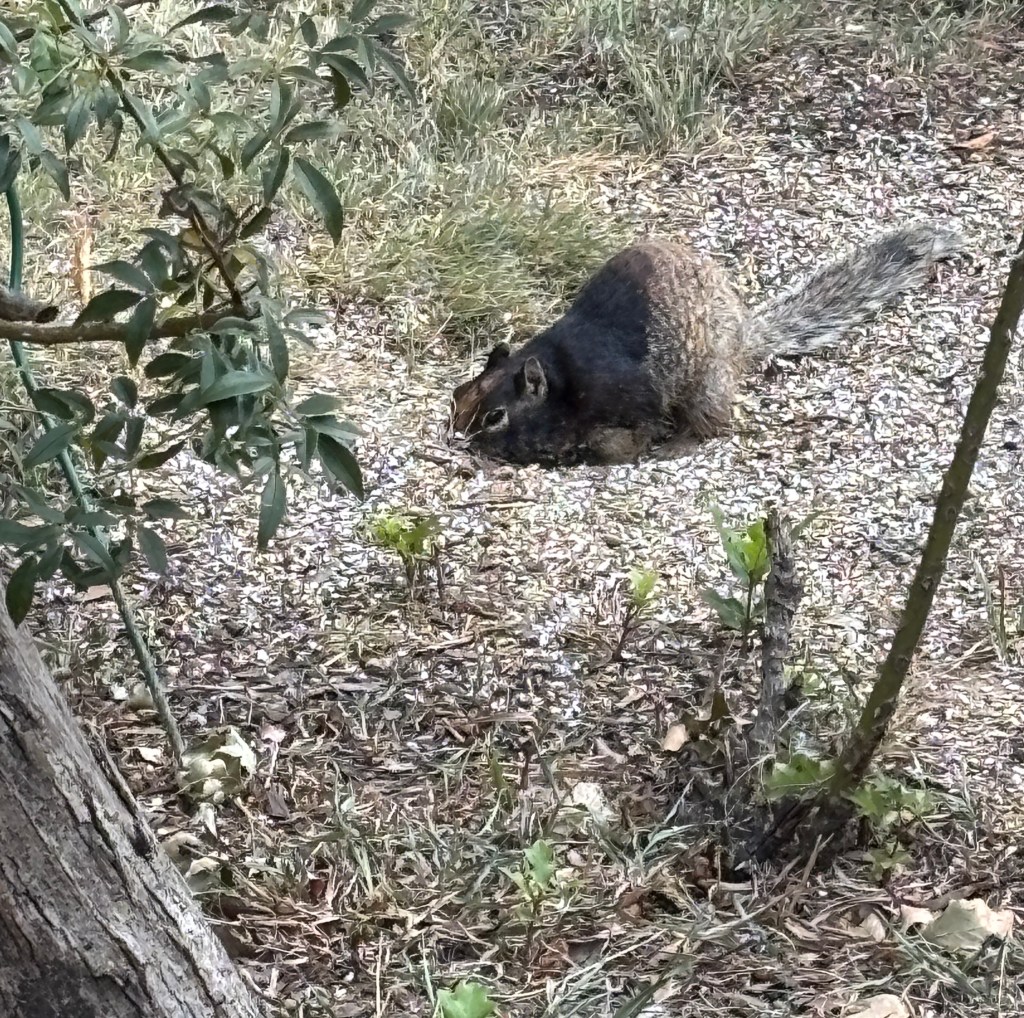
Our Hill Country holds surprises. One is the way water hides in the Hill Country—down in secret seeps and creeks, around curves and hollows. And what odd creatures live out here! For example, this fall we’ve seen again the rare and secretive rock squirrel.

(We’ve seen a solitary rock squirrel only once every few years.) We’ve heard the great horned owls that call at night, up and down the creek, and the herons who call, flying down the valley. The buzzards drone, annoyingly, from the tops of telephone poles. We treasure glimpses of the shy, gorgeous painted buntings who appear briefly at the bird feeder, then flit away. Porcupines visit. Roadrunners dart across the road.

And finally the dog days are over. (This year they were July 3-August 11, and these hot sultry days have borne their name from ancient times supposedly because it’s when Sirius, the Dog Star that accompanies Orion, rises with the sun.) https://www.almanac.com/content/what-are-dog-days-summer  But during the dog days I took refuge at night reading two mystery series that were new to me, by British author Peter Grainger: the DC Smith Investigation series and the Kings Lake Investigation. http://bit.ly/4gmPsad

These wry British procedurals are set on the coast of Norfolk, providing a cool and rainy ocean-side backdrop for the appealing characters. At least I could read about rain and cool breezes. But the books offered not only a respite from ridiculous heat, but a welcome respite from writing. For the last few weeks I’ve been finishing Ghost Justice—Book 10 in my Alice MacDonald Mystery Series, set here in the Texas Hill Country. For me that process inescapably includes waking in the wee hours with my mind on plot additions and subtractions, dialogue, characters. For just such moments—when the characters wake me up at night voicing their further demands (yes, they come alive!)—I find mysteries provide absorbing distraction.

Watch for Ghost Justice this week!

Helen Currie Foster lives and writes the Alice MacDonald Greer Mystery series north of Dripping Springs, Texas, loosely supervised by three burros. She’s drawn to the compelling landscape and quirky characters of the Texas Hill Country. She’s also deeply curious about our human history and how, uninvited the past keeps crashing the party. Follow her at http://www.helencurriefoster.com.